

A fresh colour is only the beginning
You leave your appointment feeling excited, then catch your reflection the next morning: your lips look much bolder than you expected. A little later, dry flakes appear and the colour seems uneven. It is understandable to wonder whether something has gone wrong.
Lip blush is a cosmetic tattoo, so there is a healing phase before you can judge the settled result. Some temporary colour changes and surface flaking can be part of that process. Your own aftercare instructions and symptoms matter more than matching someone else's day-by-day photos.
Why does lip blush look darker at first?
Tattooing creates small injuries in the skin. Freshly applied colour, temporary redness and swelling can make the first result look more intense. As the surface dries and forms a thin healing layer, the colour can also appear stronger or darker.
The surface appearance changes as that layer sheds and the skin settles. This is why the shade you see immediately after treatment is not a reliable preview of the final colour. There is no fixed percentage of fading that every client should expect: your starting lip tone, treatment and healing response all influence the outcome.
Why do my lips feel dry and flaky?
As the treated surface repairs, a fine crust or dry flakes may develop and gradually come away. Flaking does not necessarily mean that all the implanted pigment is disappearing. Different areas can shed at different times, which can temporarily make the lips look patchy.
Let loose skin release by itself. Pulling, biting, rubbing or exfoliating it can disturb healing and affect colour retention or cause scarring. Thick crusts, worsening pain or spreading redness should not simply be dismissed as ordinary peeling.
The healing journey: think in stages, not deadlines
Your artist will explain the expected recovery for your treatment. These stages are a general guide, not a timetable every pair of lips must follow. Surface comfort and the final appearance can settle at different speeds.
- Early stage: the colour may be vivid and the lips may feel tender or swollen. Follow the care plan and watch for improvement rather than escalating discomfort.
- Surface-healing stage: dryness and flaking may appear. Avoid trying to speed this up, even if a small patch looks ready to lift.
- After the flakes release: the shade may look softer or uneven. Give the skin time to settle before deciding the treatment needs more pigment.
- Settled-colour review: final results may take around four weeks to become clear, and some people need longer. Ask Ruda when your lips are ready to assess and arrange any touch-up; do not re-tattoo skin that is still healing.
From excitement to worry — and a little more patience
A changing result can feel unsettling, especially if you chose lip blush for a soft, everyday look. You might first think 'It is too bright', then worry 'Has the colour disappeared?' when the flakes lift. Those feelings are understandable; they do not, by themselves, tell you how the final result will look.
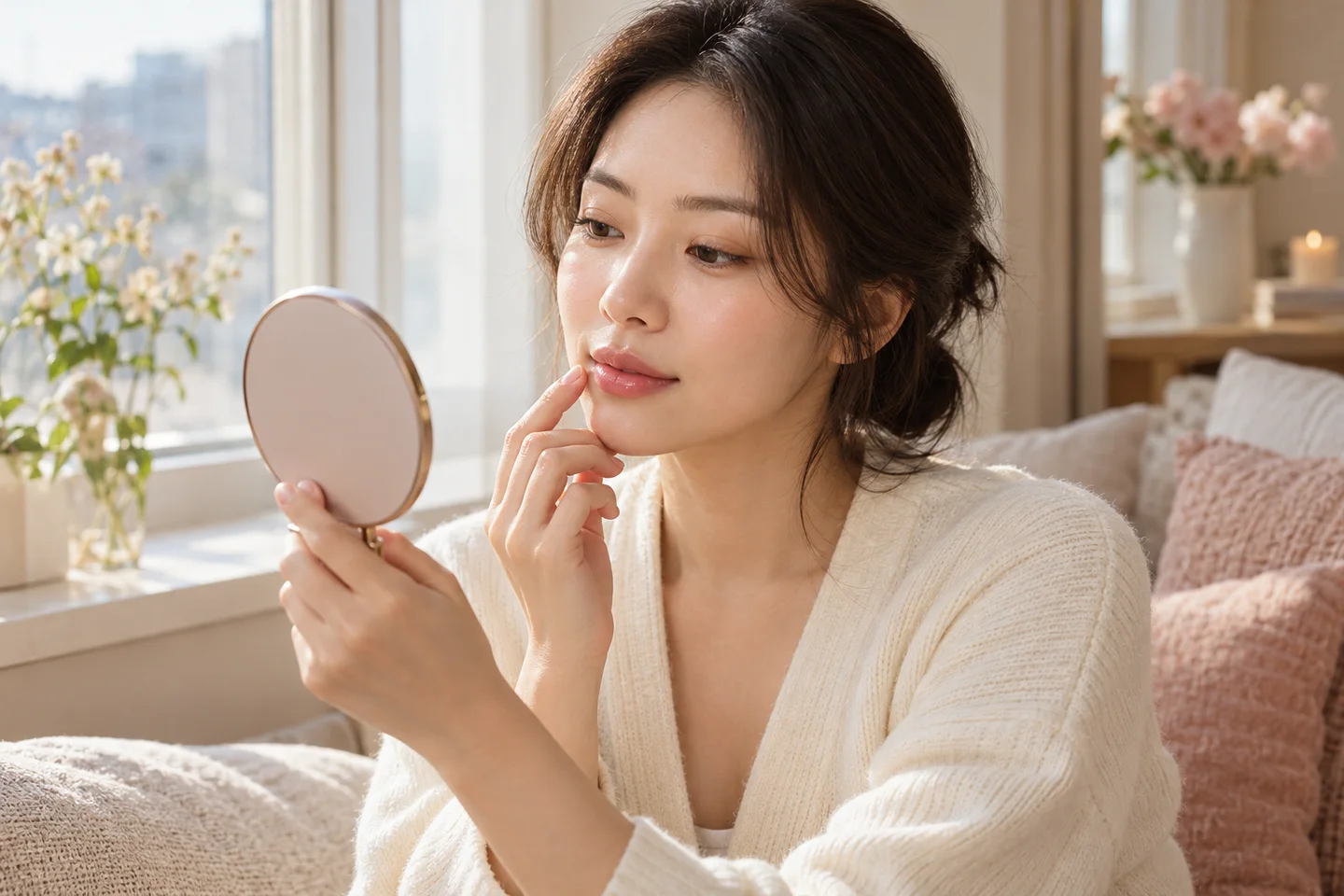
Try checking your lips once a day in similar natural light instead of repeatedly switching between mirrors, close-up selfies and different lighting. Keep a simple note of how comfortable they feel. If something worries you, send Ruda a clear photo with the treatment date and a description of the symptoms. You do not need to wait until a scheduled review to ask a question.
Keep aftercare gentle and consistent
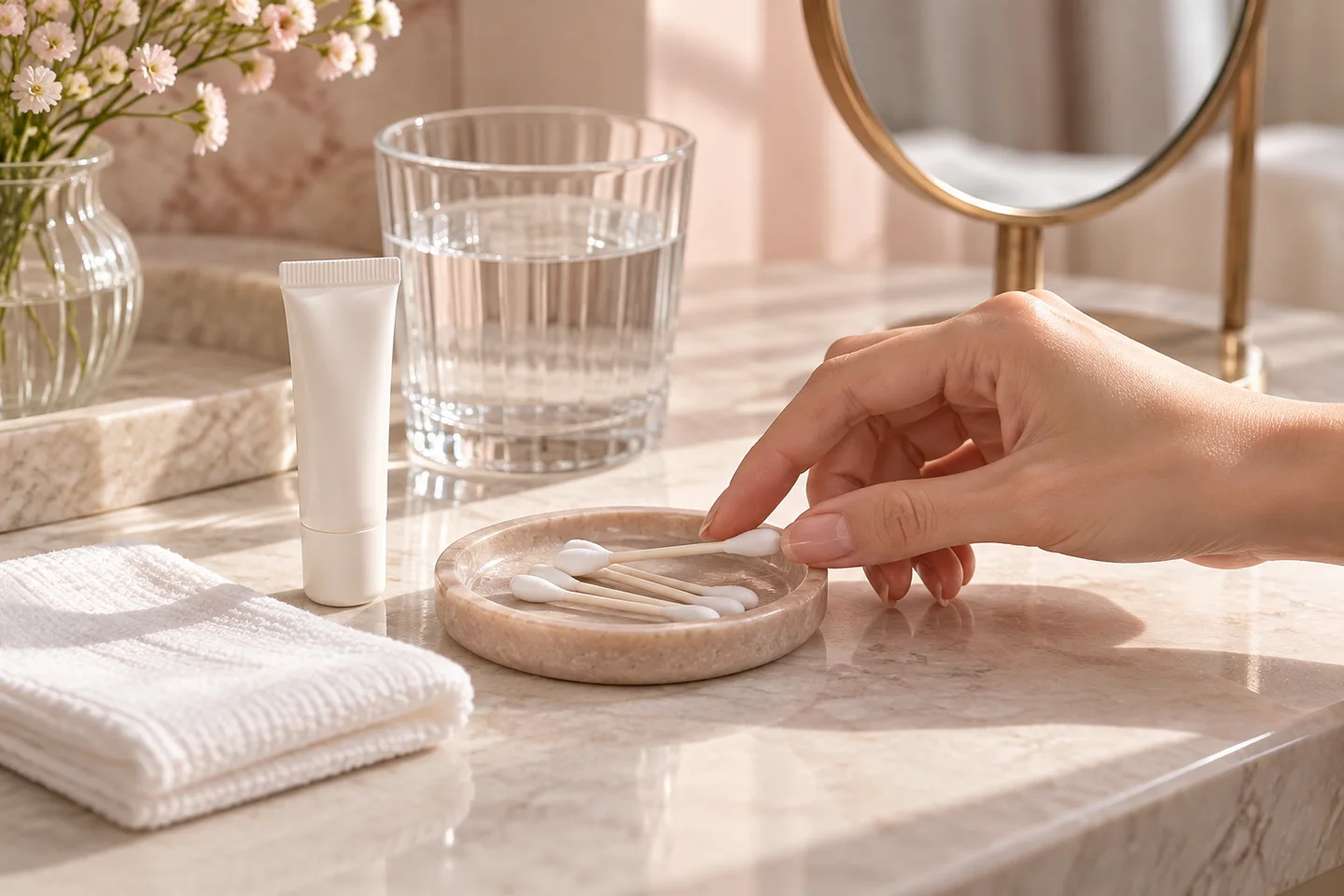
Follow the personalised written instructions supplied after your appointment. If another online routine conflicts with them, ask your artist or a healthcare professional before changing products or care. A simple routine is easier to follow when you are anxious about the result.
- Wash your hands before any necessary aftercare. Clean the area gently as directed and use only the recommended product and amount.
- Do not pick, scrub or deliberately peel the lips. Avoid experimenting with exfoliating acids, retinoids, fragranced balms or home remedies on the healing area.
- Ask when it is appropriate to resume lip makeup, swimming and activities that cause friction or irritation. Avoid soaking the healing area.
- Protect healing lips from strong sun with shade and a hat. Once the surface has healed, discuss a suitable SPF lip product for ongoing care.
- Keep your follow-up appointment. If you are still sore or the surface is not healed, let the studio know before attending.
When should I ask for medical advice?
Contact a GP promptly if redness spreads, swelling or pain is getting worse, the area feels increasingly hot, you notice pus, or you develop a fever. A persistent itchy rash or bumps can also need assessment. These signs deserve medical advice rather than reassurance that everything is part of healing.
Tingling followed by clustered blisters may be a cold sore. Contact your GP or pharmacist early and tell them when you had lip blush. Let Ruda know too, and read our separate cold sore preparation guide. Sudden significant swelling with difficulty breathing is an emergency: call 000.
Let the healed result guide the next step
The aim is to assess your lips when the colour and skin have had time to settle, rather than making a decision on the brightest or flakiest day. At your review, discuss the shade, comfort and any uneven areas with Ruda.
At Ruda Beauty in Springvale South, you can ask questions before booking and throughout your recovery. Keep your aftercare instructions handy, be gentle with your lips and with yourself, and reach out whenever a change feels unclear.
Reviewed sources
Treatment and safety references
Continue reading
Related treatment guides
This article provides general treatment information and is not medical advice. Individual suitability, healing and results vary.